
Support That Makes Sense for Your Child & Family
Every child and family is different, so support shouldn't look the same for everyone.
I work with you to understand what's happening for your child, what matters to your family and where support could make everyday life a little easier.
Together, we can work on the things that matter now, while building skills, confidence and independence for the future.

Who I Support
Little Hands Big Hearts supports children with diagnosed or suspected developmental, learning, communication and behavioural support needs.
This may include children with autism, ADHD, intellectual disability, global developmental delay, and receptive or expressive language difficulties. Your child does not need to have a formal diagnosis for us to begin understanding what they may need.
If you're concerned about your child's behaviour, development, communication, regulation or participation but aren't quite sure what kind of support they need, that's okay too. We can start with a conversation about what's happening for your child and family.
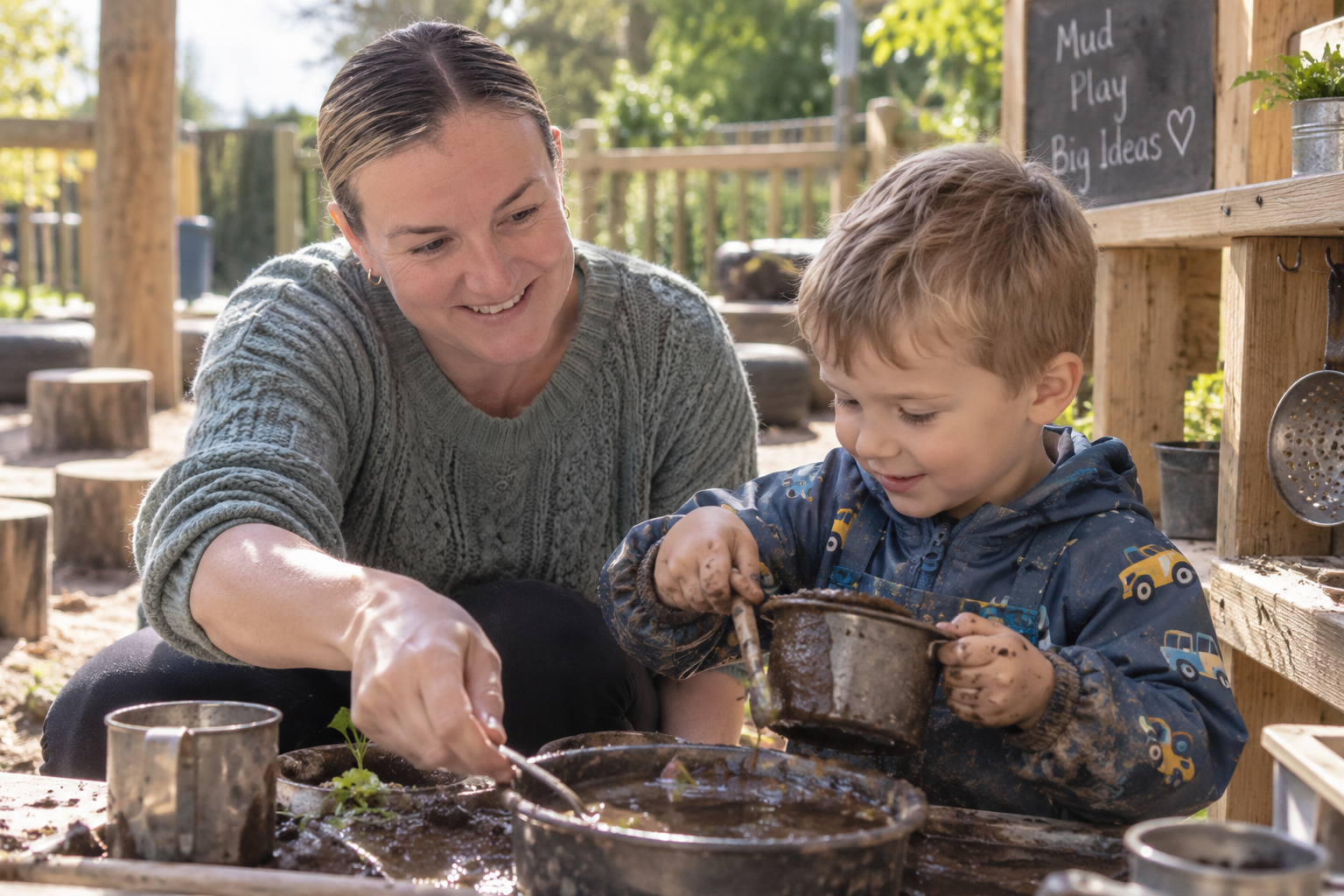
Ways I Can Support Your Child
Individualised support built around your child, your family and what matters most to you.
Behaviour & Regulation Support
Anticipated commencement: January 2027
Behaviour can become challenging for lots of different reasons, and understanding why it is happening is an important part of working out what will actually help. Families may seek support for things such as physical behaviours, meltdowns, difficulty coping with limits or changes, refusal or avoidance, unsafe behaviour, emotional regulation, or behaviour that is affecting everyday life at home, preschool, school or in the community.
Using the Little Hands Big Hearts principles and a whole-child approach, I look beyond the behaviour itself to understand what may be contributing to it — including communication, sensory needs, regulation, relationships, routines, expectations, skills and the environment. Practical strategies can be introduced from the beginning while we continue learning more about your child and what their behaviour may be communicating.
I work with your family and, where appropriate, your child's educators and allied health team to align strategies, language and expectations across the different people and environments in your child's life. This helps reduce confusion for your child and creates a more consistent, coordinated approach to support.
Kindy Preparation & Transition Program
Anticipated commencement: Mid-2027, with the possibility of an earlier start depending on family interest and demand.
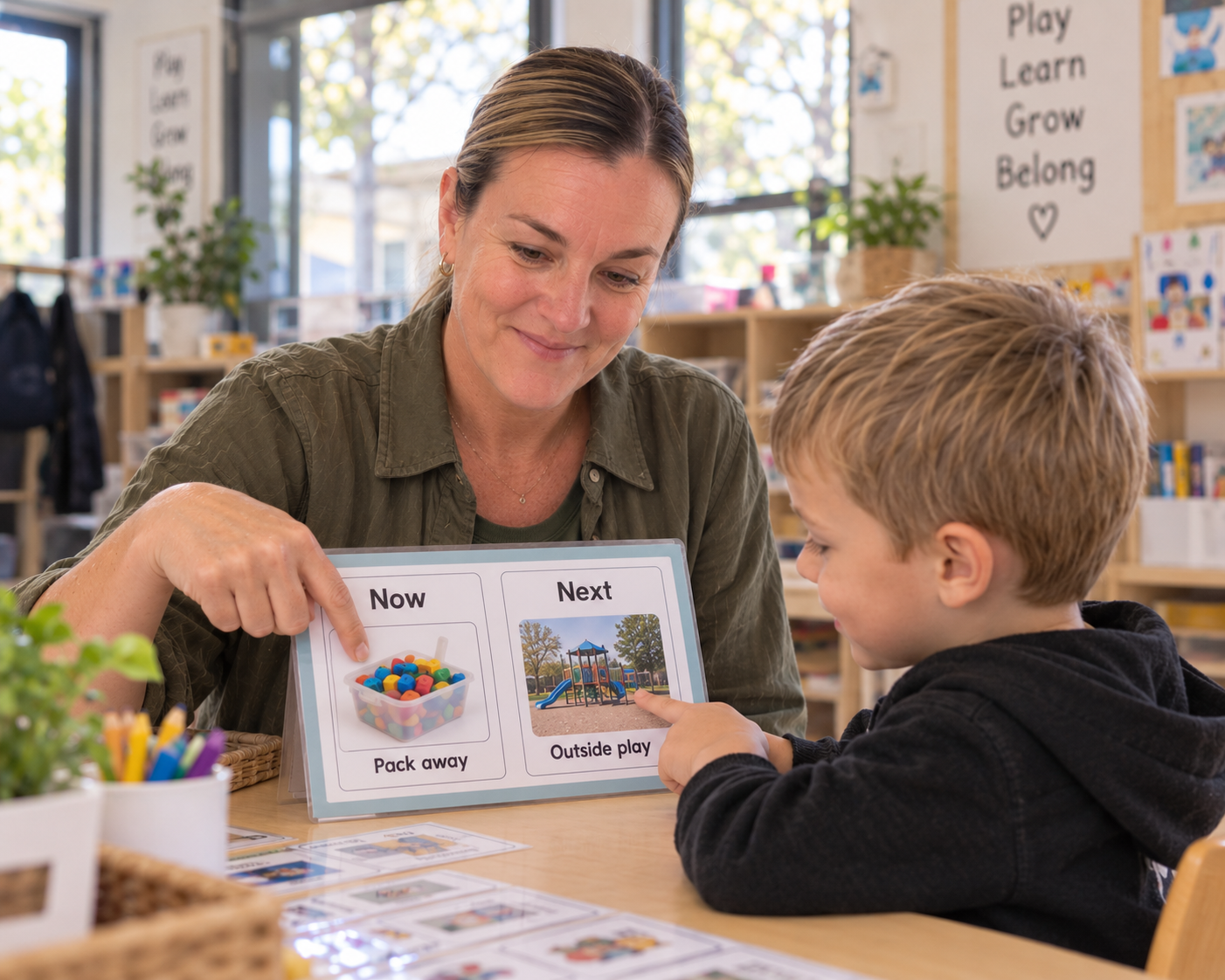
Starting school is a big step, and for neurodivergent children there can be many new skills, routines, expectations and ways of communicating to learn at once. This program is specifically designed to help children who may need additional support prepare for Kindergarten in a supportive, play-based environment.
Children practise the things they are likely to encounter at school in a simulated classroom setting. This includes learning to understand and use common classroom visuals and important Key Word Signs, following simple routines and instructions, moving between activities, recognising and communicating emotions, and developing strategies that can support emotional regulation.
Through play, games and hands-on activities, children also develop early skills that support participation and learning at school.
The aim isn't to make children “school ready” by expecting them to behave or learn in a particular way. It's to make school more predictable and familiar, while giving each child practical skills, communication tools and experiences that can help them participate with greater confidence when they begin Kindergarten.